Best Single Malt Scotch
Single malt means one distillery, malted barley, pot stills. That simplicity hides enormous range — from honeyed Speyside fruit to the kind of Islay smoke that makes first-timers reconsider their life choices. The bottles below are ranked by what thousands of community members actually rate highly, not what faces forward at eye level.
Each region has a personality. Speyside: fruity and approachable. Islay: peated and coastal. Highland: everything else, which is either frustrating or liberating depending on your tolerance for ambiguity. Start somewhere, build a baseline, then drift.
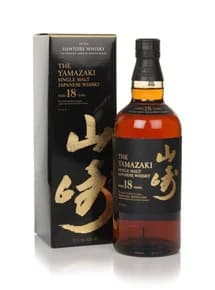 Single Malt
Yamazaki
Yamazaki 18 Year Old
$748
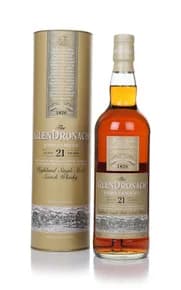 Single Malt
GlenDronach
The Glendronach 21 Year Old - Parliament
$263
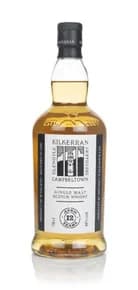 Single Malt
Kilkerran
Kilkerran 12 Year Old
$70
Value Pick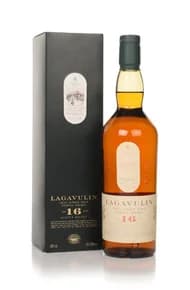 Single Malt
Lagavulin
Lagavulin 16 Year Old
$98
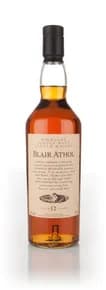 Single Malt
Blair Athol
Blair Athol 12 Year Old - Flora and Fauna
$72
Value Pick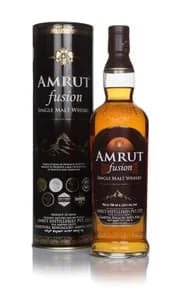 Single Malt
Amrut
Amrut Fusion
$73
Value Pick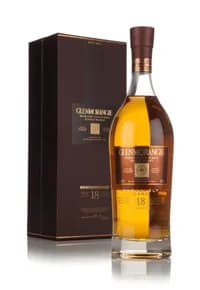 Single Malt
Glenmorangie
Glenmorangie 18 Year Old Extremely Rare (2015 Release)
$253
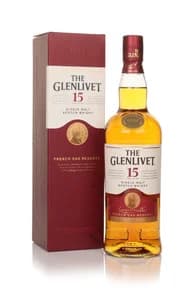 Single Malt
The Glenlivet
The Glenlivet 15 Year Old French Oak Reserve
$64
Value Pick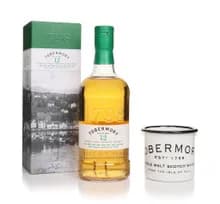 Single Malt
Tobermory
Tobermory 12 Year Old
$51
Value Pick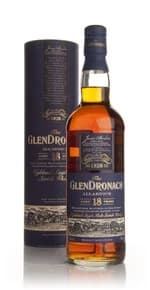 Single Malt
GlenDronach
The GlenDronach 18 Year Old - Allardice
$222
 Single Malt
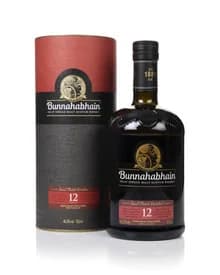
Bunnahabhain
Bunnahabhain 12 Year Old
$53
Value Pick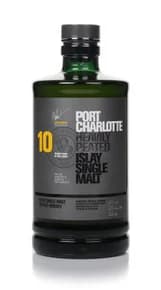 Single Malt
Bruichladdich
Port Charlotte 10 Year Old
$69
Value PickBrowse by region
Speyside
Fruity, honeyed, approachable
Islay
Peated, smoky, coastal
Highland
Diverse — rich to coastal
Campbeltown
Maritime, oily, complex
Browse by flavour
Frequently asked questions
What is the best single malt Scotch for beginners?
Speyside malts are the most forgiving starting point — fruity, approachable, widely available. Glenfiddich 12, Glenlivet 12, and Balvenie DoubleWood 12 are reliable. For something with a bit more character: Oban 14 (coastal, lightly complex) or GlenDronach 12 (sherried richness). Avoid heavily peated Islay expressions until your palate has some context.
What's the difference between single malt regions?
Speyside: fruity, honeyed, approachable. Islay: peated, smoky, medicinal or maritime. Highland: diverse — can be light, rich, or coastal depending on the distillery. Lowland: the lightest, most delicate, often triple-distilled. Campbeltown: small region with oily, maritime, complex character. The region is a useful shortcut but not a guarantee — individual distilleries vary enormously.
Is age statement important when choosing a single malt?
Age is a clue, not a guarantee. Older expressions generally have more oak influence and integration, but a well-made 12-year-old will outdrink a poorly-made 18-year-old. No Age Statement (NAS) bottles aren't automatically inferior — some are outstanding. Focus on distillery reputation, cask type, and community ratings rather than the number on the label.
Should I buy cask strength single malt?
Cask strength (usually 55–65% ABV) gives you the most concentrated flavour. Add a few drops of water to open the aromatics — it genuinely changes the experience. Great for enthusiasts; potentially overwhelming for beginners. Try standard-strength expressions from the same distillery first, then try cask strength when you know you like the house style.