Big Peat 33 Year Old vs Longrow 10 Year Old 100 Proof - Early 2000s
Side-by-side comparison — price, ABV, scores, tasting notes, pros & cons.
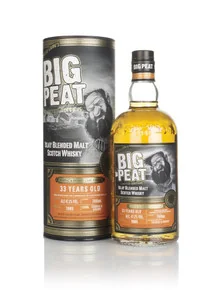
Big Peat 33 Year Old
Big Peat
★ 5.00
£250
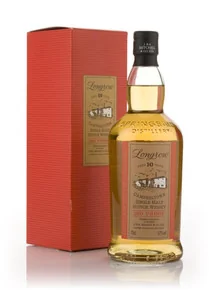
Longrow 10 Year Old 100 Proof - Early 2000s
Springbank
★ 5.00
£350
| Big Peat 33 Year Old | Longrow 10 Year Old 100 Proof - Early 2000s | |
|---|---|---|
| Distillery | Big Peat | Springbank |
| Region | Islay | Campbeltown |
| Country | Scotland | Scotland |
| Type | Blended Malt | Single Malt |
| ABV | 47.2% | 57% |
| Age | 33 yr | 10 yr |
| Price | £249.95 | £350 |
| Rating | 5.00/5 | 5.00/5 |
Big Peat 33 Year Old
Longrow 10 Year Old 100 Proof - Early 2000s
Big Peat 33 Year Old
Longrow 10 Year Old 100 Proof - Early 2000s
Quick verdict
Big Peat 33 Year Old is better value at £250 vs £350.
For beginners: Big Peat 33 Year Old is more approachable (45/100 beginner score).
Big Peat 33 Year Old
Pros
- +Balanced smoky character without being overwhelming
- +Better value for money
- +More affordable (£249.95 vs £350)
- +Longer maturation (33 vs 10 years)
Cons
- −Niche style — may not suit all palates
Longrow 10 Year Old 100 Proof - Early 2000s
Pros
- +Balanced smoky character without being overwhelming
Cons
- −High ABV (57%) — may need water
- −More expensive (£350 vs £249.95)
Who should buy Big?
Big Peat 33 Year Old suits whisky enthusiasts looking for a well-rounded, complex dram. It rewards those with some experience and an appreciation for Islay character.
Who should buy Longrow?
Longrow 10 Year Old 100 Proof - Early 2000s is for enthusiasts who appreciate cask-strength intensity. Best enjoyed with a few drops of water to open up the flavours. Not ideal for casual drinking or beginners.
Tasting notes
Both taste of
Only Big Peat 33 Year Old
Only Longrow 10 Year Old 100 Proof - Early 2000s