Kininvie 17 Year Old 1996 (Batch 1) vs Schenley Reserve American Whiskey - 1960s
Side-by-side comparison — price, ABV, scores, tasting notes, pros & cons.

Kininvie 17 Year Old 1996 (Batch 1)
Kininvie
★ 5.00
£120
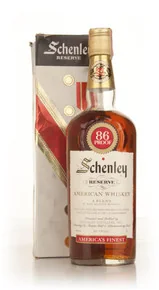
Schenley Reserve American Whiskey - 1960s
Schenley
★ 3.50
£120
| Kininvie 17 Year Old 1996 (Batch 1) | Schenley Reserve American Whiskey - 1960s | |
|---|---|---|
| Distillery | Kininvie | Schenley |
| Region | Speyside | — |
| Country | Scotland | Canada |
| Type | Single Malt | Blended |
| ABV | 42.6% | 43% |
| Age | 17 yr | NAS |
| Price | £120 | £120 |
| Rating | 5.00/5 | 3.50/5 |
Kininvie 17 Year Old 1996 (Batch 1)
Schenley Reserve American Whiskey - 1960s
Kininvie 17 Year Old 1996 (Batch 1)
Schenley Reserve American Whiskey - 1960s
Quick verdict
Kininvie 17 Year Old 1996 (Batch 1) is rated higher (5.00 vs 3.50).
Schenley Reserve American Whiskey - 1960s is better value at £120 vs £120.
For beginners: Kininvie 17 Year Old 1996 (Batch 1) is more approachable (85/100 beginner score).
Kininvie 17 Year Old 1996 (Batch 1)
Pros
- +Approachable and beginner-friendly sweetness
- +Great entry point for new whisky drinkers
- +Better value for money
- +Higher community rating (5.0/5)
Cons
- −Niche style — may not suit all palates
Schenley Reserve American Whiskey - 1960s
Pros
- +Great entry point for new whisky drinkers
- +Rich oak and wood spice complexity
Cons
- −Lower community rating (3.5 vs 5.0)
Who should buy Kininvie?
Kininvie 17 Year Old 1996 (Batch 1) is an ideal first whisky — sweet, approachable, and widely available. It's a great gift and a safe choice for anyone new to whisky or who prefers lighter, friendlier drams.
Who should buy Schenley?
Schenley Reserve American Whiskey - 1960s suits whisky enthusiasts looking for a well-rounded, complex dram. It rewards those with some experience and an appreciation for Blended character.
Tasting notes
Both taste of
Only Kininvie 17 Year Old 1996 (Batch 1)
Only Schenley Reserve American Whiskey - 1960s