Glengoyne 25 Year Old 1968 Vintage Reserve vs Springbank 17 Year Old 2002 - Madeira Wood Finish
Side-by-side comparison — price, ABV, scores, tasting notes, pros & cons.

Glengoyne 25 Year Old 1968 Vintage Reserve
Glengoyne
★ 5.00
£995
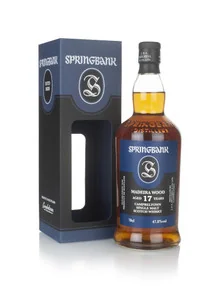
Springbank 17 Year Old 2002 - Madeira Wood Finish
Springbank
★ 5.00
£799
| Glengoyne 25 Year Old 1968 Vintage Reserve | Springbank 17 Year Old 2002 - Madeira Wood Finish | |
|---|---|---|
| Distillery | Glengoyne | Springbank |
| Region | Highland | Campbeltown |
| Country | Scotland | Scotland |
| Type | Single Malt | Single Malt |
| ABV | 50.3% | 47.8% |
| Age | 25 yr | 17 yr |
| Price | £995 | £799 |
| Rating | 5.00/5 | 5.00/5 |
Glengoyne 25 Year Old 1968 Vintage Reserve
Springbank 17 Year Old 2002 - Madeira Wood Finish
Glengoyne 25 Year Old 1968 Vintage Reserve
Springbank 17 Year Old 2002 - Madeira Wood Finish
Quick verdict
Springbank 17 Year Old 2002 - Madeira Wood Finish is better value at £799 vs £995.
For beginners: Springbank 17 Year Old 2002 - Madeira Wood Finish is more approachable (55/100 beginner score).
Glengoyne 25 Year Old 1968 Vintage Reserve
Pros
- +Longer maturation (25 vs 17 years)
- +More widely reviewed by the community
Cons
- −High ABV (50.3%) — may need water
- −More expensive (£995 vs £799)
Springbank 17 Year Old 2002 - Madeira Wood Finish
Pros
- +Better value for money
- +More affordable (£799 vs £995)
Cons
- −Niche style — may not suit all palates
Who should buy Glengoyne?
Glengoyne 25 Year Old 1968 Vintage Reserve is for enthusiasts who appreciate cask-strength intensity. Best enjoyed with a few drops of water to open up the flavours. Not ideal for casual drinking or beginners.
Who should buy Springbank?
Springbank 17 Year Old 2002 - Madeira Wood Finish suits whisky enthusiasts looking for a well-rounded, complex dram. It rewards those with some experience and an appreciation for Campbeltown character.
Tasting notes
Only Glengoyne 25 Year Old 1968 Vintage Reserve
Only Springbank 17 Year Old 2002 - Madeira Wood Finish