Glenfarclas 40 Year Old vs Macallan 29 Year Old 1989 - Single Cask (Master of Malt)
Side-by-side comparison — price, ABV, scores, tasting notes, pros & cons.
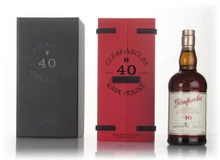
Glenfarclas 40 Year Old
Glenfarclas
★ 5.00
£1275
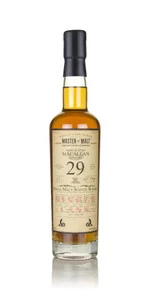
Macallan 29 Year Old 1989 - Single Cask (Master of Malt)
The Macallan
£1500
| Glenfarclas 40 Year Old | Macallan 29 Year Old 1989 - Single Cask (Master of Malt) | |
|---|---|---|
| Distillery | Glenfarclas | The Macallan |
| Region | Speyside | Speyside |
| Country | Scotland | Scotland |
| Type | Single Malt | Single Malt |
| ABV | 43% | 55.6% |
| Age | 40 yr | 29 yr |
| Price | £1275 | £1499.95 |
| Rating | 5.00/5 | — |
Glenfarclas 40 Year Old
Macallan 29 Year Old 1989 - Single Cask (Master of Malt)
Glenfarclas 40 Year Old
Macallan 29 Year Old 1989 - Single Cask (Master of Malt)
Quick verdict
Glenfarclas 40 Year Old is rated higher (5.00 vs 0.00).
Glenfarclas 40 Year Old is better value at £1275 vs £1500.
For beginners: Glenfarclas 40 Year Old is more approachable (85/100 beginner score).
Glenfarclas 40 Year Old
Pros
- +Approachable and beginner-friendly sweetness
- +Great entry point for new whisky drinkers
- +Better value for money
- +Higher community rating (5.0/5)
Cons
- −Niche style — may not suit all palates
Macallan 29 Year Old 1989 - Single Cask (Master of Malt)
Pros
- +Approachable and beginner-friendly sweetness
- +Vibrant, fresh fruit character
Cons
- −High ABV (55.6%) — may need water
- −More expensive (£1499.95 vs £1275)
- −Lower community rating (0.0 vs 5.0)
Who should buy Glenfarclas?
Glenfarclas 40 Year Old is an ideal first whisky — sweet, approachable, and widely available. It's a great gift and a safe choice for anyone new to whisky or who prefers lighter, friendlier drams.
Who should buy Macallan?
Macallan 29 Year Old 1989 - Single Cask (Master of Malt) suits those who enjoy sweet, honeyed, or fruity whiskies. It's accessible for beginners and crowd-pleasing enough for gifts. Fans of approachable Speyside or Irish whiskey will love it.
Tasting notes
Both taste of